ECB Coach Development have been hosting a monthly online call for Coaches Association coaches this year, giving the chance to talk with peers about current coaching topics. The most recent call addressed the subject of “who coaches the coaches?”
An interesting call, but it perhaps opened more questions than it addressed.
Several viable suggestions as to how coaches develop “on the job”:
- watching others coach/shadowing;
- group chats & online (WhatsApp) groups to disseminate ideas;
- sharing video clips of drills
- I don’t like “drills”, and I particularly dislike copy-and-paste drills…but it’s probably better this than leaving new coaches to flounder;
- mentoring
- although we did not get into any serious discussion of who should be the mentors, and what they might actually offer.
The coaching “learning workshops” (skill-specific sessions, delivered by ECB Coach Dev tutors, but un-assessed) were praised, although it was pointed out that “only” 1,000 coaches attended last year…and is there any evidence of learning (retention and application of new knowledge)?
The challenges of persuading qualified coaches to participate in any ongoing learning were mentioned — “I’ve got my certificate, now I just need to coach” — as was the high turnover of parent/coaches — when their children leave the junior sections the coaches also leave, taking with them the experience they have developed.
Tough to deal with. It is inevitable that parent/coaches will move on. And that they might not appreciate “a visit from the County” to watch them coach (which appears to be one “mentoring” offer) — it could feel a bit too much like an inspection!
A chance to talk
On the 45 minute call, we were side-tracked by a question on the specific challenges of coaching girls. Ironically, although off-topic, I think this discussion illustrated perfectly the type of support that is currently missing, and might be most useful, for new and not-so-new coaches — the opportunity to talk with other coaches with appropriate experience, not more “lectures”. Sounds rather like a Community of Practice (CoP)?
Online learning
Oddly (perhaps not), there was little or no mention of formal online learning or (institutional) CPD.
Odd, given that the ECB Coach Development team have recently added a new “Head of Learning Development” and a Content Manager to create the new (digital) materials, and presumably see online learning as a key deliverable.
Perhaps not so odd (few/no mentions of online learning), given the paucity of existing materials, and (perhaps) unsatisfactory previous experience with online CPD.
My own experiences with “online learning” perhaps illustrate this latter issue.
In the last 12 months I have completed online Safeguarding (ECB), Diversity & Inclusion for a volunteering role, and a “Sexual Harassment” course — online, again — with a casual job.
I try to take the training seriously, compile notes, strive for 95%+ marks…and from all of them, perhaps the only real learning has emerged from post-training conversations with colleagues. Normally starting with “did you have technical problems with that course” (to which the answer was always “yes” — note to developers: please consider those of us using smartphones & tablets!) but then turning into broader discussion of one of the topics covered.
“Online Learning is not the same as learning, online”
— Alex Twitchen, Medium.com
That is to say that learning, supported by research carried out online, is not the same as completing an online learning course, with set curriculum and pre-defined outcomes.
Independent (or supported) learning surely beats completing an online course…because it explicitly includes learning!
see: Online coaching & coach education — can we do better?, February 2024
How do coaches learn?
Today
By instruction and “online learning”: webinars; workshops — all, essentially, one-way “lectures”.
Ongoing
By immersion in coaching practice: yes, by getting out there and coaching, but perhaps more importantly through support networks & Communities of Practice (possibly online); Mentors (Mentors last in this list, as they can become just another source of instruction).
Independent learning requires more of Laurillard’s Learning Types (see Learning types: athlete-centred coaching, February 2020), going beyond simple Acquisition — Inquiry (going beyond the set text), Practice & Production (actually doing something with the newly acquired knowledge), Discussion (if you are fortunate enough to have access to a learning community).
See Conversational frameworks and coaching, January 2021
see also: We don’t talk any more…if we ever did — on (the absence of) coaching discourse amongst cricket coaches, and a possible role for Communities of Practice in coach development, January 2023
What does a mentor do? What do I know?
I completed the ECB “Coach Developer” training back in 2019 — got the t-shirt (literally) — but for various reasons never got to put the learning into practice before lockdown.
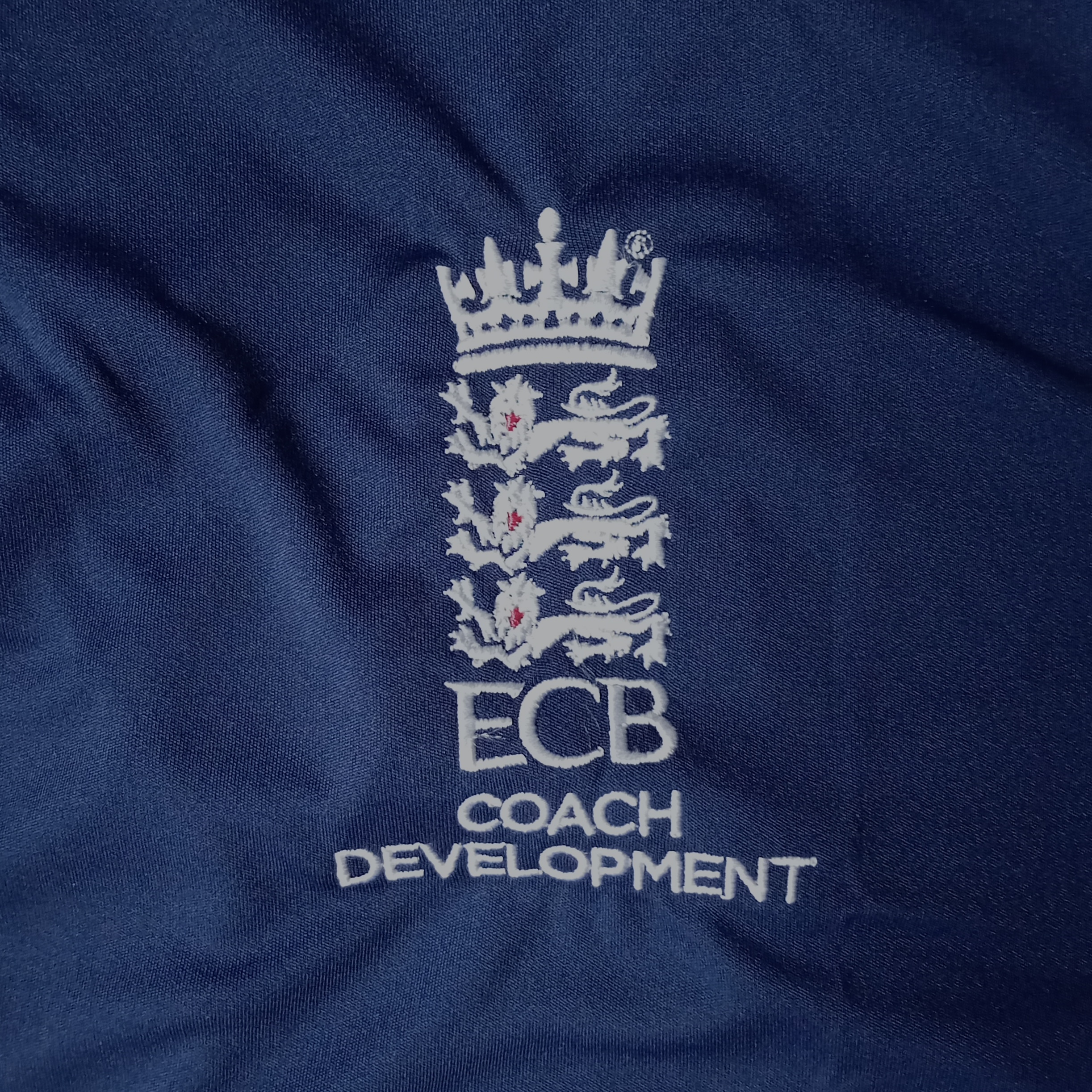
But as a trainee “Developer”, I practiced how to instruct and how to assess. I “passed” the training, but left feeling a long way from the CIMSPA definition of Coach Developers as “…expert support practitioners who plan for, implement, and sustain strategies and interventions in support of skilled performance in sport coaching.”
As a relatively experienced coach, I would hope to be able to offer some value in a mentoring role. But I can’t imagine how delivering Coach Dev sessions would have helped anyone to develop the skills to “…plan…strategies & interventions…”
Are existing “coach developers” better qualified to provide mentorship? Or to lead CoPs?
 The Teesra
What do you think? Leave a reply.