Category: pedagogy

_how_ we coach: theory, practice & philosophy

  • Rosenshine’s Principles of Instruction — 8.5 out of 10 ain’t bad

    I posted last year on my understanding of Barak Rosenshine’s concept of “learner rehearsal” and how it might be applied in coaching.

    Rehearsal is a key concept in Rosenshine’s 10 Principles of Instruction, developed in the context of teaching in the classroom. Leaving aside, for now, the question of whether coaching for (sports or movement) skill acquisition really does follow the same process as teaching an academic curriculum, Rosenshine’s 10 principles do (mostly) look to be applicable to sports coaching.
    (more…)
  • What did the Scientific Revolution ever do for coaching?

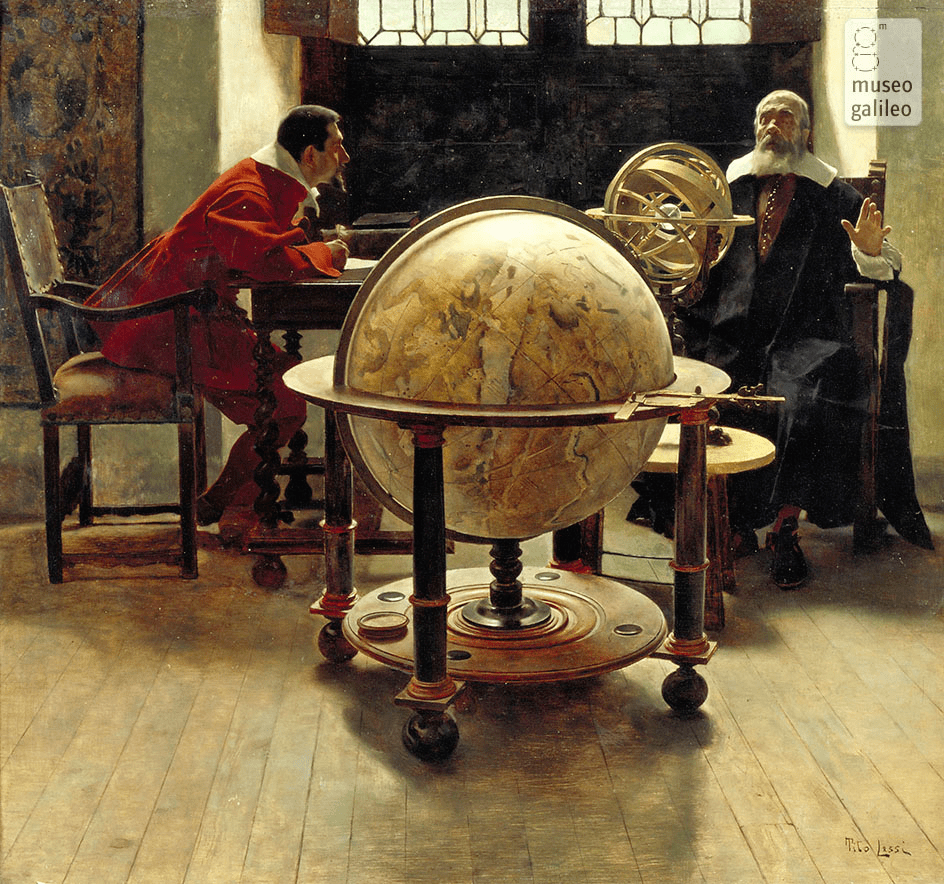
    What did the Scientific Revolution ever do for coaching?

    This piece is slightly modified from a paper submitted to an online course on the scientific revolution of the 17th century. The article was an excursion into twin obsessions of mine — over-elaboration and an exploration of coaching pedagogy, explicitly, what works, and why.

    My conclusion was that the scientific revolution legitimised the question as a tool for learning. From observation (“what’s going on out there?”) to hypothesis (“is this what’s happening?”) via experiment (“is my hypothesis correct?”) and on to a new understanding (or another question).

    And that sounds rather like the model for coaching (and, more pertinently, learning) that I can subscribe to.

    (more…)
  • Conversational frameworks and coaching

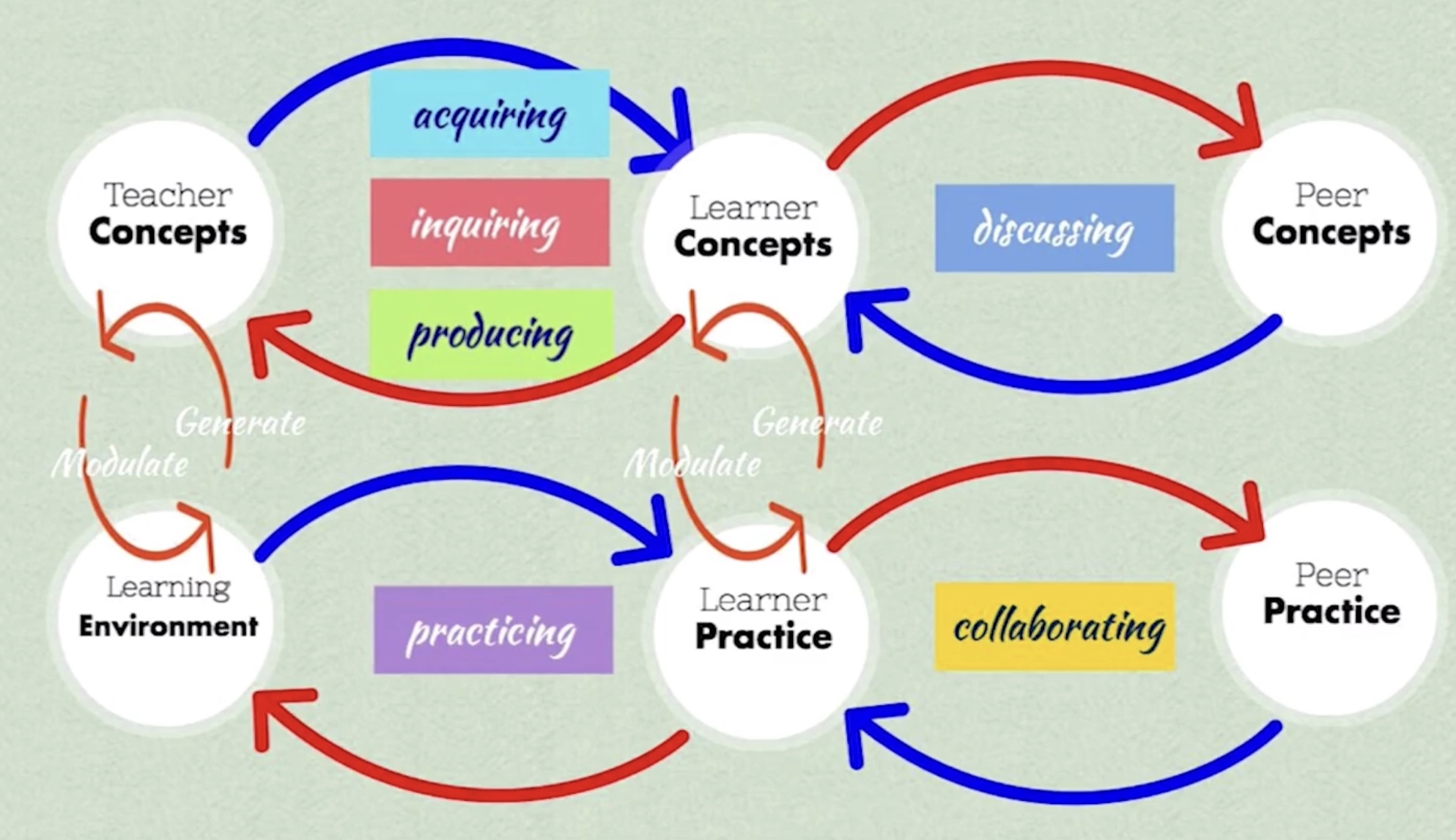
    I wrote previously about my introduction to learning types [1.] and how these educational activities can be mapped onto coaching activities.

    Learning types are defined in Professor Diana Laurillard’s model of how students learn, the Conversational Framework (see, for example, Laurillard, D (2012), Teaching as a Design Science, Routledge), describing learning interactions between learner and teacher and between learner and peers.

    The Conversational Framework — Laurillard

    Whilst working through another online course (Blended & Online Learning Design, UCL, hosted by FutureLearn), I was struck by how closely the framework itself could be applied to learning in sports coaching & player development.

    (more…)