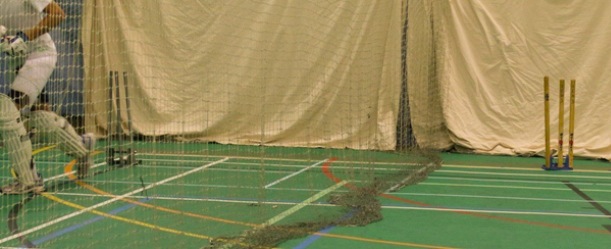
Back in the day, schoolboy cricketers (and it was, almost exclusively, boys, back then) played ay school, and were invited to play “adult” cricket, initially to make up the numbers and do the running around for the older players.
But a lot of essential learning happened in the game, talking and watching, often in the bar after the game.
Understanding how to win. How not to lose so often. Why a bowler might prefer an unorthodox field setting. How to get on with the rest of the team.
But that learning opportunity has largely been lost.
Partly because young players are not being led astray, into the bar, as used to happen. Probably not a bad thing!
But also as the organised pathways develop, and more youth cricket is played, young players possibly get to play less with more experienced players.
And I think that loss of exposure to more experienced players might need to be addressed.
Social learning — learning to be part of a team
In a typically insightful and inspirational post, Rick Walton investigated the unspoken role of coach as socialiser, instigator. It’s OK to be there because you want to be with your mates!
At launch, the ECB’s Dynamos Cricket programme made a major play on the social side of the game, most especially for girls, who were considered much more likely to go to the cricket if their friends were going, too.
Establishing that connection, with team mates, with the game, is essential. But how best to facilitate?
Tactical learning — beyond technique
I posted during lockdown on an alternative to active learning — directed video review, perhaps.
With no-one able to play cricket back in the summer of 2020, we were scouting around for anything that might help players develop their game.
Online video review was one idea, but we have discussed introducing something similar as an added component to our “performance” and “development”squads this winter. Feedback from previous intakes suggest that they aren’t getting anything like this from District or County pathways (most of our players are recruited after being discarded from a County pathway).
TGfU and Games Sense learning certainly have a role to play, although, for cricket, conditioned, small-sided games might not always present the same opportunities for learning.
Net challenges might help bowlers — what is the batter good at/less good at, or what is he trying to do? And what can you (the bowler) do in response?
Learning to perceive — spotting that affordance
Thought-provoking post from Philip O’Callaghan (@Mr_Tennis_Coach) on the need for coaches to “…actively guiding learners’ attention to critical aspects (specifying information) of their environment…[to help them to]…become more aware of the affordances available to them.”
Rob Gray (@ShakeyWaits), perhaps the guru of ecological dynamic/CLA, often talks about perception-action coupling. Much more than “see ball, hit ball”, this is the ability to identify an opportunity to act (an “affordance”) and then to exploit that opportunity.
You really can’t have one without the other!
But how to “direct” that attention, without resorting to instruction? An interesting challenge, indeed.
No answers… hopefully, though, some interesting questions
I am hoping to work with a new intake of U13 “performance” and “development” players in the New Year. And I hope we can offer them something more inspiring than more batting and bowling practice!
It would appear, from this post, that I am quite enthused about a new year of coaching!
 The Teesra
What do you think? Leave a reply.